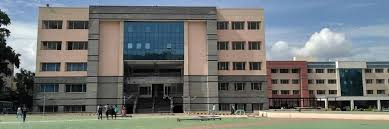
ACSR Government Medical College: Advancing Medical Education Through Academic Excellence and Clinical Expertise
ACSR Government Medical College is one of the prominent government medical institutions in Andhra Pradesh, established in 2014 and located in Nellore, Andhra Pradesh. Named after the late political leader A.C. Subba Reddy, the college was founded to strengthen medical education and healthcare services in the region. The institution is affiliated with Dr. YSR University of Health Sciences, Vijayawada, and recognized by the National Medical Commission (NMC). With modern teaching infrastructure, experienced faculty, and a strong academic framework, the college has emerged as a preferred destination for students seeking quality government medical education.
Admission to ACSR Government Medical College is based on performance in NEET UG for MBBS admissions and other relevant national-level examinations for postgraduate courses where applicable. The college primarily offers the MBBS program and follows the competency-based curriculum prescribed by the National Medical Commission. Being a government institution, the fee structure remains affordable compared to private medical colleges. Students benefit from classroom learning, laboratory training, simulation-based education, seminars, workshops, and community health initiatives that contribute to their overall professional development.
A major strength of ACSR Government Medical College is its associated teaching hospital, which provides substantial clinical exposure through a high patient inflow. Students receive practical training across various departments, enabling them to develop diagnostic abilities, communication skills, and patient-management competencies. Graduates from the institution pursue careers in government healthcare services, private hospitals, research organizations, and postgraduate medical education. The college continues to play a vital role in producing skilled healthcare professionals capable of serving both urban and rural populations.
Institutional Profile of ACSR Government Medical College
ACSR Government Medical College has established itself as an important center for medical education and healthcare training in Andhra Pradesh. The institution combines academic rigor, practical exposure, and affordable education to prepare future medical professionals for evolving healthcare challenges.
| Particulars | Details |
| College Name | ACSR Government Medical College |
| Establishment Year | 2014 |
| Location | Nellore, Andhra Pradesh |
| College Type | Government Medical College |
| Affiliation | Dr. YSR University of Health Sciences |
| Recognition | National Medical Commission (NMC) |
| Course Offered | MBBS |
| Admission Basis | NEET UG |
| Course Duration | 5.5 Years |
| Internship | 1 Year Mandatory |
| Teaching Hospital | Attached |
| Hostel Facility | Available |
| Medium of Instruction | English |
Distinctive Features That Set ACSR Government Medical College Apart
ACSR Government Medical College provides students with a balanced combination of theoretical education, practical clinical training, and professional skill development. Its government-supported fee structure, experienced faculty, and hospital-based learning environment make it a strong option for aspiring medical professionals.
| Feature | Benefit |
| Government Institution | Affordable Education |
| NMC Recognition | Nationally Accepted Degree |
| Teaching Hospital | Extensive Clinical Exposure |
| Experienced Faculty | Quality Academic Guidance |
| Modern Laboratories | Practical Learning Support |
| Library Resources | Research and Academic Development |
| Hostel Accommodation | Student Convenience |
| Community Health Programs | Field-Level Exposure |
| Internship Training | Professional Readiness |
| Academic Workshops | Skill Enhancement |
Medical Courses and Academic Programs Available
ACSR Government Medical College focuses on undergraduate medical education while maintaining high standards of academic and practical training. The curriculum is designed to develop competent healthcare professionals equipped to handle modern medical challenges.
| Course | Duration | Intake Capacity |
| MBBS | 5.5 Years Including Internship | 175 Seats* |
*Subject to official updates.
Complete MBBS Admission Workflow at ACSR Government Medical College
The MBBS admission process at ACSR Government Medical College follows a structured pathway designed to ensure transparency and merit-based seat allocation. Candidates must complete each stage carefully, from qualifying for the entrance examination to final enrollment at the college. Understanding every step helps applicants avoid mistakes and complete the admission process smoothly.
Stage 1: Achieve a Valid NEET UG Score
The admission journey begins with appearing for and qualifying the National Eligibility cum Entrance Test (NEET UG). Since admission is purely merit-based, candidates should aim for a competitive score that improves their chances of securing a seat in a government medical college.
Stage 2: Participate in the Official Counseling Process
After the NEET results are announced, eligible candidates must register on the official counseling portal. Depending on the quota, counseling may be conducted by the Medical Counseling Committee (MCC) or the Andhra Pradesh state counseling authority.
Stage 3: Submit Academic and Personal Documents
During the registration process, candidates must upload the required documents for verification. These typically include NEET scorecards, Class 10 and 12 certificates, identification documents, category certificates, and other supporting records required by counseling authorities.
Stage 4: Review the Published Merit Ranking
The counseling authority prepares a merit list based on NEET performance and eligibility criteria. Candidates are ranked according to their examination scores, which play a crucial role in determining seat allotment during subsequent counseling rounds.
Stage 5: Select Preferred Colleges and Courses
Candidates must carefully choose and prioritize their preferred medical colleges and courses. The order of preferences is extremely important because seat allocation is influenced by both merit rank and the choices submitted during counseling.
Stage 6: Receive Seat Allotment Results
Based on merit position, category reservation, seat availability, and preference order, candidates are allotted seats through a centralized computerized system. Those allotted ACSR Government Medical College must proceed with the next admission formalities within the specified timeframe.
Stage 7: Complete Verification of Original Certificates
Candidates are required to attend the verification process with original documents. Authorities verify educational qualifications, identity documents, reservation certificates, and other supporting records to ensure eligibility and authenticity.
Stage 8: Deposit the Prescribed Admission Fees
Once document verification is completed successfully, candidates must pay the prescribed tuition fee and other applicable institutional charges. Fee payment confirms the candidate's intention to accept the allotted seat.
Stage 9: Report to ACSR Government Medical College
After completing counseling formalities, candidates must physically report to the college campus. During reporting, students complete institutional registration procedures, submit documents, and receive important academic instructions.
Stage 10: Secure Final Admission and Begin Academic Session
The admission process concludes when all formalities are completed successfully. After final verification and enrollment, candidates officially become students of ACSR Government Medical College and can begin their MBBS academic journey according to the college schedule.
Documents Commonly Required During Admission
| Document | Purpose |
| NEET UG Scorecard | Merit Verification |
| NEET Admit Card | Examination Proof |
| Class 10 Mark Sheet | Date of Birth Verification |
| Class 12 Mark Sheet | Academic Eligibility |
| Transfer Certificate | Institutional Requirement |
| Migration Certificate | Applicable for Certain Boards |
| Aadhaar Card/Identity Proof | Identity Verification |
| Passport Size Photographs | Admission Records |
| Category Certificate | Reservation Benefits |
| Domicile Certificate | State Quota Eligibility |
| Allotment Letter | Counseling Verification |
Eligibility Requirements for MBBS Enrollment
Candidates applying to ACSR Government Medical College must fulfill the eligibility conditions prescribed by the National Medical Commission and counseling authorities. Meeting these requirements is essential for participation in the admission process.
| Eligibility Criteria | Requirement |
| Educational Qualification | 10+2 or Equivalent |
| Subjects Required | Physics, Chemistry, Biology, English |
| Minimum Age | 17 Years |
| Entrance Examination | NEET UG |
| Nationality | Indian/Eligible Candidates |
| Counseling Participation | Mandatory |
| Medical Fitness | Required |
| Reservation Benefits | As per Government Rules |
MBBS Fee Structure and Educational Affordability
ACSR Government Medical College offers affordable medical education through a government-regulated fee structure. Students can pursue an MBBS degree without the high financial burden commonly associated with private medical institutions.
| Fee Component | Approximate Fee |
| Tuition Fee | ₹15,000–₹20,000 per Year* |
| Admission Fee | Applicable |
| University Registration Fee | Applicable |
| Examination Fee | Applicable |
| Library Fee | Applicable |
| Laboratory Fee | Applicable |
| Hostel Fee | Separate Charges |
| Mess Charges | Extra |
| Security Deposit | Refundable |
*Subject to revision by authorities.
NEET Cutoff Trends and Admission Competition
NEET cutoff scores vary annually depending on applicant volume, seat availability, reservation categories, and counseling trends. Understanding previous cutoff patterns helps candidates estimate their admission prospects.
| Category | Competition Level |
| General | Very High |
| EWS | High |
| OBC | High |
| SC | Moderate to High |
| ST | Moderate |
| PwD | As per Reservation Norms |
Academic Departments Driving Medical Excellence
The college maintains multiple departments that support comprehensive medical education through classroom teaching, laboratory learning, clinical exposure, and research-based activities.
| Department Category | Major Departments |
| Pre-Clinical | Anatomy, Physiology, Biochemistry |
| Para-Clinical | Pharmacology, Pathology, Microbiology, Forensic Medicine |
| Clinical Medicine | General Medicine, Pediatrics |
| Surgical Sciences | General Surgery, Orthopedics |
| Women's Health | Obstetrics & Gynecology |
| Specialty Care | Dermatology, Psychiatry |
| Diagnostic Sciences | Radiology |
| Sensory Sciences | ENT, Ophthalmology |
| Community Health | Community Medicine |
Clinical Exposure Through High-Volume Patient Care
Clinical exposure at ACSR Government Medical College is strengthened through its teaching hospital, where students gain hands-on experience in patient diagnosis, treatment planning, and healthcare delivery. Continuous interaction with diverse medical cases helps build confidence and practical competence.
- OPD Training: Outpatient Department (OPD) training allows students to interact with patients presenting a variety of medical conditions. This exposure helps them understand patient history taking, clinical examination techniques, and treatment planning in real healthcare settings.
- IPD Exposure: Inpatient Department (IPD) exposure enables students to observe hospitalized patients and follow their treatment progress. This experience helps in understanding disease management, patient monitoring, and multidisciplinary healthcare delivery.
- Ward Postings: Ward postings provide hands-on clinical learning opportunities under faculty supervision. Students gain practical knowledge of patient care, medical documentation, and hospital workflows across different specialties.
- Bedside Teaching: Bedside teaching focuses on direct patient interaction and clinical examination. Faculty members guide students in identifying symptoms, understanding disease presentations, and improving diagnostic reasoning through real-life case discussions.
- Emergency Care Training: Emergency care training introduces students to urgent medical situations and critical care management. It helps them develop quick decision-making skills and understand emergency treatment protocols in a fast-paced clinical environment.
- Case Discussions: Regular case discussions encourage students to analyze patient conditions, interpret diagnostic findings, and propose treatment strategies. These sessions strengthen clinical reasoning and promote evidence-based medical learning.
- Clinical Rotations: Clinical rotations allow students to train in various medical and surgical departments. Exposure to multiple specialties helps broaden their understanding of healthcare practices and supports informed career choices in the future.
- Community Health Visits: Community health visits expose students to public health challenges and preventive healthcare initiatives. These programs help them understand disease prevention, health education, and the healthcare needs of diverse populations.
- Internship Training: The compulsory rotating internship serves as the final phase of MBBS education. Students work across multiple departments, applying their theoretical knowledge in practical settings while developing confidence and professional competence in patient care.
Infrastructure Designed for Modern Medical Learning
The campus infrastructure at ACSR Government Medical College supports academic excellence, research, practical training, and student development. Modern facilities create a productive learning environment that complements medical education.
- Central Library: The central library serves as a key academic resource with an extensive collection of medical textbooks, reference materials, journals, and research publications. It provides students with a quiet and resource-rich environment for study and research.
- Digital Library: The digital library offers access to online journals, e-books, research databases, and electronic learning resources. Students can utilize these digital platforms to stay updated with the latest advancements in medicine and healthcare.
- Medical Laboratories: Well-equipped medical laboratories support practical training in various subjects, including Anatomy, Physiology, Biochemistry, Microbiology, and Pathology. These facilities help students strengthen their technical and diagnostic skills through hands-on learning.
- Lecture Theatres: Modern lecture theatres are designed to accommodate large groups of students and are equipped with audio-visual teaching aids. These classrooms facilitate effective knowledge delivery and interactive learning sessions.
- Demonstration Halls: Demonstration halls provide dedicated spaces for practical teaching, model demonstrations, and small-group academic discussions. They play an important role in helping students understand clinical procedures and medical concepts.
- Hostel Facilities: The college provides hostel accommodation for students within the campus or nearby premises. The hostels offer a secure and comfortable environment that supports academic focus and personal well-being.
- Cafeteria: The campus cafeteria serves hygienic and nutritious meals, snacks, and beverages for students and staff. It acts as a convenient space for relaxation and social interaction during breaks.
- Sports Facilities: Sports facilities encourage students to participate in physical activities and recreational programs. Regular involvement in sports promotes fitness, teamwork, and stress management alongside academic responsibilities.
- Seminar Halls: Seminar halls are utilized for conferences, workshops, guest lectures, research presentations, and academic events. These venues help students engage in professional development and knowledge-sharing activities.
- Auditorium: The auditorium hosts cultural programs, academic ceremonies, orientation sessions, and institutional events. It serves as a central venue for large-scale gatherings and extracurricular activities.
- Wi-Fi Connectivity: Campus-wide Wi-Fi connectivity allows students to access online educational resources, research materials, and digital learning platforms. It supports self-learning and academic collaboration throughout the college.
- Hospital Complex: The attached teaching hospital provides students with valuable clinical exposure and practical training opportunities. It serves as the primary center for patient care, clinical postings, and hands-on medical learning.
Residential Facilities and Student Life Experience
Hostel life at ACSR Government Medical College provides students with a safe, comfortable, and academically supportive environment. Residential facilities help students remain closely connected to academic activities and clinical training schedules.
| Hostel Feature | Availability |
| Separate Hostels | Available |
| Furnished Rooms | Available |
| Study Areas | Available |
| Dining Facilities | Available |
| Security Services | Available |
| Recreation Spaces | Available |
| Internet Access | Available |
| Water Supply | Available |
| Power Backup | Available |
Internship Training and Professional Skill Development
The internship program serves as a bridge between medical education and professional practice. Students work across various departments, gaining valuable exposure to patient care, diagnosis, treatment planning, and healthcare administration.
| Internship Feature | Details |
| Duration | 12 Months |
| Nature | Compulsory |
| Department Rotations | Multiple |
| Emergency Training | Included |
| Community Health Posting | Included |
| Patient Care Responsibilities | Included |
| Clinical Documentation | Included |
| Certification | Upon Completion |
Career Opportunities After MBBS from ACSR Government Medical College
Graduates from ACSR Government Medical College have access to a wide range of career opportunities in healthcare, research, administration, and postgraduate medical education.
| Career Option | Scope |
| Medical Officer | Government Hospitals |
| Resident Doctor | Multispecialty Hospitals |
| General Practitioner | Private Practice |
| Public Health Professional | Community Healthcare |
| Medical Researcher | Research Institutions |
| Hospital Administrator | Healthcare Management |
| Armed Forces Medical Officer | Defense Services |
| Medical Educator | Academic Institutions |
| PG Medical Aspirant | MD/MS Programs |
Placement and Higher Education Prospects
Unlike traditional professional courses, MBBS graduates generally pursue internships, government recruitment opportunities, hospital employment, or postgraduate education. The college provides a strong foundation for both employment and advanced medical specialization.
| Opportunity Area | Availability |
| Internship Placement | Available |
| Government Healthcare Jobs | Available |
| Private Hospital Employment | Available |
| Research Opportunities | Available |
| Higher Education Pathways | MD/MS |
| Public Health Careers | Available |
Frequently Asked Questions ACSR Government Medical College
1.Is ACSR Government Medical College recognized by NMC?
Yes, ACSR Government Medical College is recognized by the National Medical Commission. This recognition ensures that graduates receive a valid MBBS degree that enables them to pursue medical practice, government employment, postgraduate studies, and professional registration across India.
2.Which entrance examination is accepted for MBBS admission?
Admission to the MBBS program is based on NEET UG scores. Candidates must qualify the examination and participate in counseling conducted by the competent authorities. Final seat allotment depends on merit rank, category, and seat availability.
3.Does ACSR Government Medical College provide hostel facilities?
Yes, the college provides hostel accommodation for students. The hostels offer essential facilities including furnished rooms, dining services, study areas, security arrangements, and recreational spaces to support academic and personal development.
4.What is the duration of the MBBS course?
The MBBS program has a duration of 5.5 years, including 4.5 years of academic study and one year of compulsory rotating internship. Students receive extensive theoretical and practical training throughout the program.
5.What career options are available after completing MBBS?
Graduates can pursue careers as medical officers, resident doctors, researchers, public health professionals, hospital administrators, or general practitioners. They may also appear for NEET PG and pursue MD, MS, or other postgraduate medical specializations.