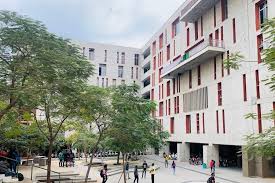
Advanced Agricultural Education Hub at Bihar Agricultural University (BAU), Sabour 2026: Overview
Bihar Agricultural University (BAU) was established in 2010 and is located in Sabour, Bhagalpur district, Bihar, India. It is a leading public agricultural university in the state dedicated to education, research, and extension activities in agriculture and allied sciences. BAU operates under the Government of Bihar and is recognized by ICAR (Indian Council of Agricultural Research), focusing on improving agricultural productivity, innovation, and farmer education across Bihar through multiple constituent colleges and research centers.
BAU Sabour offers admission mainly through entrance examinations conducted by state-level authorities such as BCECEB and ICAR-based counselling systems, depending on the course. The university offers programs such as B.Sc Agriculture, B.Sc Horticulture, M.Sc Agriculture, Ph.D., B.Tech (Agricultural Engineering), MBA Agri-Business, and allied science programs. The total fee structure is relatively affordable, generally ranging between ₹40,000 to ₹2,50,000 depending on the program level and duration. Placement opportunities include roles in agriculture departments, research institutions, agribusiness companies, food processing industries, and banking sectors. The average salary package ranges from ₹3 LPA to ₹6 LPA, while higher packages can go up to ₹8 LPA+ in specialized agribusiness and research roles. Top recruiters include agriculture departments, ICAR institutes, seed companies, fertilizer industries, agrochemical firms, and rural development organizations.
BAU Sabour is widely recognized for its strong research ecosystem, field-based agricultural training, and farmer-oriented extension programs. Students gain practical exposure through experimental farms, laboratories, Krishi Vigyan Kendras (KVKs), and rural fieldwork. The university plays a major role in developing modern agricultural technologies, climate-resilient crop varieties, and sustainable farming practices, making it a top choice for students pursuing careers in agriculture and allied sciences.
Key Highlights of Bihar Agricultural University (BAU), Sabour 2026
Bihar Agricultural University (BAU), Sabour is a leading government agricultural university in Bihar known for its strong focus on agricultural education, research innovation, and rural development programs. Established to strengthen the state’s agricultural ecosystem, BAU plays a key role in improving crop productivity, sustainable farming practices, and farmer training through its academic and extension activities. The university integrates classroom learning with field-based exposure, making it highly relevant for agriculture and allied science students.
| Particulars | Details |
| University Name | Bihar Agricultural University (BAU), Sabour |
| Location | Sabour, Bhagalpur, Bihar |
| Established Year | 2010 (as BAU, ICAR affiliated institution) |
| Type | State Government Agricultural University |
| Affiliation / Recognition | ICAR (Indian Council of Agricultural Research), UGC |
| Academic Focus | Agriculture, Horticulture, Agricultural Engineering, Allied Sciences |
| Courses Offered | B.Sc Agriculture, B.Sc Horticulture, M.Sc, Ph.D, B.Tech Agriculture, MBA Agribusiness |
| Admission Process | BCECEB / ICAR AIEEA entrance + counselling |
| Campus Facilities | Labs, research farms, KVK centers, library, hostels |
| Clinical / Field Exposure | High (farm-based and research-driven training) |
| Placement Support | Available through university placement cell |
| Average Package | ₹3 – ₹6 LPA |
| Highest Package | ₹8 LPA+ |
| Top Recruiters | ICAR institutes, agriculture departments, agribusiness firms, seed & fertilizer companies |
| Scholarships | ICAR scholarships, state government schemes, merit & category-based aid |
| Research Strength | Crop improvement, soil science, climate-resilient agriculture |
| Extension Network | Strong farmer training via KVKs across Bihar |
Admission Framework at Bihar Agricultural University (BAU), Sabour 2026: Eligibility Criteria, Entrance Process & Selection System
The Admission Framework at Bihar Agricultural University (BAU), Sabour 2026 is designed to ensure transparent, merit-based selection for candidates aspiring to pursue agriculture and allied science programs. BAU follows a structured admission system regulated by state and national-level examination bodies. The university mainly admits students based on performance in entrance examinations conducted for agricultural education, followed by centralized counselling and document verification. This ensures that only academically qualified and eligible candidates are selected for various undergraduate, postgraduate, and doctoral programs.
BAU Sabour primarily accepts admissions through BCECEB (Bihar Combined Entrance Competitive Examination Board) for state quota seats and ICAR AIEEA (Indian Council of Agricultural Research) for all India quota seats. Candidates must meet the required academic eligibility criteria in science subjects to apply for undergraduate courses such as B.Sc Agriculture, Horticulture, and Agricultural Engineering. The selection process is competitive and based on rank, reservation norms, and seat availability across affiliated colleges of the university.
At the postgraduate and doctoral levels, admission is conducted through entrance examinations and merit-based academic evaluation in the relevant discipline. The final selection is completed through counselling rounds, where candidates choose their preferred specialization and college based on rank. The structured admission system of BAU ensures fairness, transparency, and equal opportunity for all applicants while maintaining academic standards in agricultural education.
BAU Sabour Admission Structure
| Admission Stage | Details |
| Entrance Requirement | BCECEB (State Level) / ICAR AIEEA (All India Quota) |
| Eligibility Criteria | 10+2 Science (Physics, Chemistry, Biology/Agriculture/Maths) for UG; Relevant Bachelor’s degree for PG |
| Admission Basis | Entrance rank + merit-based counselling |
| Application Mode | Online application through official portals |
| Selection Process | Counselling + document/document verification |
| Final Admission Step | Seat allotment and reporting to allotted college |
Courses Offered & Fee Structure at Bihar Agricultural University 2026
The Courses Offered & Fee Structure at Bihar Agricultural University (BAU), Sabour 2026 highlights a wide range of academic programs designed to build strong foundations in agriculture, horticulture, agricultural engineering, biotechnology, and allied sciences. BAU focuses on a balanced curriculum that combines theoretical learning, practical field training, laboratory work, and research-based education. Students are trained through experimental farms, Krishi Vigyan Kendras (KVKs), and modern laboratories, ensuring strong exposure to real agricultural systems and scientific innovation.
Courses & Fees
| Course | Duration | Approx. Fees |
| B.Sc Agriculture | 4 Years | ₹40,000 – ₹1,50,000 |
| B.Sc Horticulture | 4 Years | ₹50,000 – ₹1,80,000 |
| M.Sc Agriculture | 2 Years | ₹60,000 – ₹2,00,000 |
| Ph.D. Programs | 3–5 Years | ₹80,000 – ₹2,50,000 |
| B.Tech Agricultural Engineering | 4 Years | ₹70,000 – ₹2,50,000 |
Placement Opportunities & Career Scope at Bihar Agricultural University (BAU), Sabour 2026: Salary Packages, Recruiters & Job Roles
The Placement Opportunities & Career Scope at Bihar Agricultural University (BAU), Sabour 2026 highlights strong employment pathways in agriculture, agribusiness, research, government services, and allied industries. BAU provides structured placement support through its dedicated placement cell, which connects students with employers in both public and private sectors.
| Parameter | Details |
| Placement Support | University Placement Cell + Career Guidance System |
| Average Package | ₹3 – ₹6 LPA (approx.) |
| Highest Package | ₹8 LPA+ (in agribusiness & specialized roles) |
| Internship Exposure | Field training, KVK programs, research projects |
| Major Sectors | Agriculture, agribusiness, banking, research, government services |
Key Career Roles After BAU Sabour 2026
| Job Role | Career Description |
| Agricultural Officer | Works in government departments for crop development and farmer support |
| Agronomist | Focuses on soil health, crop production, and yield improvement techniques |
| Soil Scientist | Studies soil properties and recommends sustainable farming practices |
| Horticulture Expert | Manages fruit, vegetable, and plantation crop production systems |
| Research Associate | Works in ICAR institutes and agricultural research organizations |
| Agribusiness Manager | Handles marketing, supply chain, and agri-product business operations |
| Banking & Insurance Executive | Works in rural finance, agriculture loans, and crop insurance sectors |
Ranking, Academic Recognition & Agricultural Impact of BAU Sabour 2026
The Ranking, Academic Recognition & Agricultural Impact of BAU Sabour 2026 highlights its position as a leading agricultural university in Bihar with growing national recognition. The university is widely respected for its contributions to agricultural research, sustainable farming practices, and farmer education programs. BAU plays a key role in strengthening Bihar’s agricultural ecosystem through innovation, field research, and extension services.
The institution is recognized by ICAR and operates with a strong focus on crop development, soil science research, and rural agricultural upliftment. Its extension activities through Krishi Vigyan Kendras (KVKs) help bridge the gap between scientific research and practical farming applications.
| Parameter | Status |
| State Ranking | Top Agricultural University in Bihar |
| National Recognition | ICAR-affiliated institution |
| Research Strength | High in crop development & soil science |
| Extension Work | Strong farmer training & rural outreach network |
Scholarship Opportunities at Bihar Agricultural University (BAU), Sabour 2026: Financial Aid, Eligibility & Support Schemes
The Scholarship Opportunities at Bihar Agricultural University (BAU), Sabour 2026 provide financial assistance to deserving and meritorious students pursuing agricultural education. BAU ensures that financial limitations do not hinder access to quality education by offering multiple government and institutional scholarship schemes.
These scholarships support students from different socio-economic backgrounds, especially those belonging to reserved categories and economically weaker sections. Additionally, students performing well in academics or entrance examinations may receive merit-based financial support.
| Scheme | Details |
| ICAR Scholarships | Awarded based on merit in entrance examinations |
| State Government Scholarships | Bihar government financial assistance programs |
| Post-Matric Scholarships | Support for SC/ST/OBC/EWS category students |
| Merit Scholarships | Academic performance-based financial aid |
Student Guidance & Admission FAQs for Bihar Agricultural University (BAU), Sabour 2026
1. Is Bihar Agricultural University government or private?
Bihar Agricultural University (BAU), Sabour is a government agricultural university established by the Government of Bihar. It is officially recognized by ICAR and focuses on agriculture education and research. The university operates multiple colleges and research institutions across the state. It is fully funded and managed by the government.
2. Which entrance exam is required for admission at BAU Sabour?
Admission to BAU Sabour is based on entrance examinations such as BCECEB and ICAR AIEEA, depending on the course. Candidates must qualify the relevant exam to participate in counselling. Selection is strictly based on merit and rank. Final admission is confirmed after document verification and seat allotment.
3. What is the fee structure at BAU Sabour?
The fee structure at BAU Sabour ranges from ₹40,000 to ₹2,50,000 depending on the course level. Undergraduate programs are more affordable compared to postgraduate and professional courses. Additional hostel and academic charges may apply as per university norms. Overall, fees are government-regulated and affordable.
4. What are the placement opportunities at BAU Sabour?
Students are placed in agriculture departments, research institutes, agribusiness companies, and government organizations. The average salary package ranges from ₹3–₹6 LPA. Higher packages can go up to ₹8 LPA or more in specialized roles. Career growth is strong in agriculture and allied sectors.
5. Does BAU provide internships?
Yes, internships are an important part of the academic curriculum. Students undergo field training in agricultural farms and research centers. Practical exposure is also provided through KVKs and extension programs. These experiences improve skills and employability.