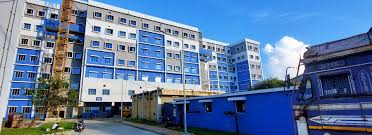
Barasat Government Medical College and Hospital: A Comprehensive Destination for Modern Medical Education
Barasat Government Medical College and Hospital, established in 2011, is located in Barasat, North 24 Parganas, West Bengal. The institution was founded with the objective of strengthening healthcare services and expanding opportunities for quality medical education in the state. Over the years, the college has developed into a prominent government medical institution known for its academic environment, patient-care services, and growing healthcare infrastructure. It is affiliated with the West Bengal University of Health Sciences (WBUHS) and functions under the regulations and standards prescribed by the National Medical Commission (NMC).
Admission to the MBBS program is conducted through NEET UG, ensuring a merit-based and transparent selection process. The college primarily offers undergraduate medical education through the MBBS program while continuously enhancing academic resources, clinical departments, and research activities. The total MBBS fee remains affordable due to government regulation, making medical education accessible to students from diverse backgrounds. While conventional placement packages are generally not applicable in medical education, graduates secure opportunities in government hospitals, private healthcare institutions, research organizations, public health departments, and postgraduate medical programs. Major healthcare employers, teaching hospitals, and medical institutions serve as potential recruiters after graduation and specialization.
The institution emphasizes a balanced approach to medical learning by integrating classroom teaching, laboratory training, hospital-based clinical exposure, community healthcare initiatives, and compulsory internship experiences. Students receive opportunities to develop professional competence through direct patient interaction, multidisciplinary clinical training, and healthcare outreach activities. With its established academic framework and expanding healthcare ecosystem, Barasat Government Medical College and Hospital continues to contribute significantly to medical education and public healthcare services in West Bengal.
Academic Profile and Essential Institutional Facts
Barasat Government Medical College and Hospital combines government-supported medical education, structured clinical training, and modern academic infrastructure to prepare future healthcare professionals for diverse medical careers.
| Particulars | Details |
| College Name | Barasat Government Medical College and Hospital |
| Establishment Year | 2011 |
| Location | Barasat, North 24 Parganas, West Bengal |
| Institution Type | Government Medical College |
| Affiliated University | West Bengal University of Health Sciences |
| NMC Recognition | Approved |
| Entrance Examination | NEET UG |
| Primary Program | MBBS |
| Curriculum Pattern | Competency-Based Medical Education |
| Internship Training | Mandatory |
| Clinical Exposure | Extensive |
| Hostel Facilities | Available |
| Teaching Hospital | Attached |
Medical Programs and Academic Curriculum Structure
The academic framework at Barasat Government Medical College is designed to develop strong theoretical foundations while ensuring continuous practical and clinical exposure throughout the MBBS program.
| Course Name | Duration | Eligibility | Admission Criteria |
| MBBS | 5.5 Years (Including Internship) | 10+2 with PCB | NEET UG |
Curriculum Features
| Academic Component | Details |
| Teaching Methodology | CBME-Based Learning |
| Practical Sessions | Regular Laboratory Training |
| Clinical Integration | Early Clinical Exposure |
| Community Medicine | Included |
| Research Orientation | Encouraged |
| Internship | One-Year Rotatory Internship |
| Evaluation Pattern | NMC Guidelines |
Financial Planning for MBBS Studies at Barasat Government Medical College
Pursuing an MBBS degree at Barasat Government Medical College is considered a cost-effective educational investment due to its government-regulated fee structure. The institution enables students to access quality medical education, practical clinical exposure, hospital-based training, and academic resources without the substantial financial burden often associated with private medical colleges. This affordability makes the college an attractive choice for students seeking a recognized medical qualification and long-term career growth in healthcare.
Detailed MBBS Fee Structure
| Fee Category | Detailed Information |
| Annual Tuition Fee | Approximately ₹10,000–₹20,000 per year, subject to government policies and revisions. |
| Total MBBS Program Cost | Estimated between ₹60,000 and ₹1.5 Lakhs for the complete MBBS course duration, excluding hostel and personal expenses. |
| Admission Fee | Payable at the time of enrollment and completion of admission formalities. |
| Hostel Accommodation Charges | Applicable for students opting for on-campus residential facilities and generally charged separately from tuition fees. |
| University Examination Fee | Collected periodically for professional examinations conducted during different phases of the MBBS program. |
| Library and Information Resource Fee | Supports access to textbooks, reference materials, journals, digital resources, and academic databases. |
| Laboratory and Practical Training Charges | Covers practical sessions, laboratory maintenance, equipment usage, and hands-on medical training activities. |
| Refundable Security Deposit | Submitted during admission and refunded according to institutional regulations upon course completion or withdrawal. |
| Student Welfare and Development Charges | May include charges related to student activities, academic support services, and institutional development initiatives. |
| Miscellaneous Fees | Levied as per government, university, and institutional guidelines applicable during the academic session. |
Admission Journey to Barasat Government Medical College and Hospital
Admission to Barasat Government Medical College and Hospital is conducted through a centralized counselling process based on NEET UG scores. The selection procedure is transparent, merit-driven, and follows the guidelines prescribed by the National Medical Commission and counselling authorities. Candidates must successfully complete each stage of the admission process to secure a seat in the MBBS program.
Step 1: Qualify the NEET UG Examination
The first requirement for MBBS admission is qualifying the National Eligibility cum Entrance Test (NEET UG), which serves as the mandatory entrance examination for medical colleges across India.
- Appear for the NEET UG examination conducted by the designated authority.
- Secure the minimum qualifying percentile applicable to your category.
- Achieve a competitive score to improve admission chances.
- Fulfill age, educational qualification, and eligibility requirements prescribed by regulatory authorities.
- Keep the NEET scorecard and admit card ready for counselling and verification purposes.
Step 2: Register for Centralized Counselling
After qualifying NEET UG, candidates must participate in the official counselling process conducted by the respective counselling authority.
- Visit the designated counselling portal.
- Complete the online registration process.
- Enter personal, academic, and NEET-related information accurately.
- Upload required documents and certificates.
- Pay the applicable counselling registration fee, if required.
- Verify all details before final submission.
Step 3: Choice Filling and College Preference Selection
Choice filling is a crucial stage where candidates select their preferred medical colleges and courses.
- Choose Barasat Government Medical College and Hospital among the preferred institutions.
- Arrange college preferences strategically according to rank and admission goals.
- Review all selected options carefully.
- Lock choices before the specified deadline.
- Save a copy of the submitted preference list for future reference.
Step 4: Seat Allotment Process
Seats are allocated based on multiple factors including merit rank, category reservation, availability of seats, and preferences submitted during counselling.
- Wait for the publication of the seat allotment results.
- Check allotment status on the counselling portal.
- Download the provisional allotment letter.
- Carefully review the admission instructions provided in the allotment notice.
- Decide whether to accept the allotted seat or participate in subsequent counselling rounds, if eligible.
Step 5: Document Verification and Eligibility Confirmation
Candidates who receive a seat allotment must complete document verification to validate their eligibility.
- Present original academic certificates and supporting documents.
- Submit photocopies as required by the authorities.
- Verify identity, category, and educational qualifications.
- Produce NEET scorecard and counselling allotment letter.
- Complete verification procedures within the prescribed timeline.
- Ensure all information matches the details submitted during registration.
Step 6: Admission Fee Submission
After successful verification, candidates must pay the required fees to confirm admission.
- Submit tuition fees and admission-related charges.
- Complete payment through approved modes.
- Retain payment receipts and transaction records.
- Confirm seat acceptance after successful fee payment.
- Follow institutional guidelines regarding fee submission deadlines.
Step 7: Reporting to the College and Final Enrollment
The final stage involves physically reporting to Barasat Government Medical College and Hospital and completing enrollment formalities.
- Report to the college campus on the scheduled reporting date.
- Submit admission-related documents to the institution.
- Complete institutional registration procedures.
- Participate in orientation and academic induction programs.
- Receive confirmation of enrollment in the MBBS program.
- Begin academic sessions as per the college calendar.
Career Opportunities, Internship & Higher Studies
An MBBS from this college opens the door to a wide range of medical career paths. After completing the degree and internship, students can work as junior doctors or medical officers, or prepare for postgraduate medical courses such as MD and MS. Since the college is affiliated with a teaching hospital, students gain practical exposure that helps during their internship and later in professional work.
The internship year is especially important because it helps students transition from classroom learning to clinical service. It also improves confidence in patient handling, basic procedures, and clinical communication. For those who want to continue their studies, an MBBS from a government medical college provides a strong foundation for future specialisation.
| Career Option | Description |
| Junior Doctor | Entry-level hospital role after MBBS |
| Medical Officer | Government or private healthcare service |
| Resident Doctor | Postgraduate clinical training path |
| MD/MS | Higher medical specialization |
| Research / Teaching | Possible after advanced study |
Hostel Facilities & Student Accommodation
Hostel support is an important part of student life at a medical college because MBBS includes long class hours, practical sessions, and hospital postings. Students coming from outside Barasat or North 24 Parganas may find on-campus or nearby accommodation useful for daily convenience. Since the college is government-run, the hostel arrangements are generally practical and centred on student needs rather than luxury.
Hostel charges may be listed separately or mentioned in official notices, so it is important to check current details before admission. Students should also ask about room type, mess facility, security, and occupancy rules. A clear hostel plan helps families budget for the full MBBS journey.
| Hostel Feature | Details |
| Hostel Availability | Hostel accommodation is available for eligible students, subject to availability and institutional rules. Candidates should verify the latest hostel notification during the admission process. |
| Best For | Outstation MBBS students |
| Room Type | Standard hostel accommodation |
| Mess Facility | Usually separate; check current rules |
| Benefit | Saves travel time and supports the medical schedule |
Scholarships & Financial Assistance
Students at this college may be eligible for government scholarship schemes depending on family income, category, and state or central rules. In West Bengal, scholarships such as the Swami Vivekananda Scholarship, National Scholarship Portal schemes, SC/ST/OBC support, and merit-cum-means assistance can help reduce the overall cost of study. Since MBBS fees are already low in a government college, scholarships are still useful for hostel, books, and living costs.
The exact scholarship benefit depends on eligibility and document verification. Students should apply early and keep mark sheets, income certificates (if applicable), caste certificates, and bank details ready. A scholarship can make a meaningful difference over the five-year course period.
| Scholarship Scheme | Possible Benefit |
| Swami Vivekananda Scholarship | Merit and income-based support |
| NSP | Central scholarship opportunities |
| SC/ST/OBC Scholarship | Category-based support |
| Merit-cum-Means | Financial help for eligible students |
Clinical Training & Hospital Exposure
Clinical training is one of the most important parts of MBBS at this college because it is attached to a teaching hospital. Students gain exposure to OPD, IPD, ward rounds, departmental postings, and patient interaction, all of which are essential for developing medical skills. This kind of practical learning begins early and continues throughout the course.
Departments in a medical college environment help students understand different branches of medicine, from general medicine to surgery and allied subjects. During the internship year, students work more closely with patients and hospital teams, which builds confidence and prepares them for real-world medical practice. This hands-on exposure is one of the main reasons students choose a government medical college over a classroom-only environment.
Campus Facilities
The campus has been developed to support both academic work and student life. Since the institution is new, the infrastructure is designed around the needs of a modern medical college. Students can expect the essential facilities required for teaching, learning, and day-to-day comfort.
- Library.
- Skill lab.
- Lecture theatres.
- Laboratories.
- Cafeteria.
- Hostel.
- Sports area.
- Auditorium.
- Wi-Fi.
Why Choose Barasat Government Medical College & Hospital?
There are several practical reasons why students consider this medical college for MBBS. It is a government institution, so the fee burden is much lower than at private colleges. The college also offers students access to a teaching hospital, which enhances clinical exposure from the early years of study.
- Government MBBS seat with affordable fees.
- Teaching hospital for clinical learning.
- Recognised by NMC and affiliated with WBUHS.
- 100-seat intake with a clear admission structure.
- Suitable for students who want a medical college in Barasat with real hospital exposure.
- Practical option for NEET-qualified students in West Bengal.
The college is especially useful for students who want a realistic path to medical education without excessive financial pressure. Since the institution is still developing, students can also benefit from a growing academic environment.
Frequently Asked Questions about Barasat Government Medical College
Q1. Is Barasat Government Medical College recognized by NMC?
Yes, Barasat Government Medical College is recognized by the National Medical Commission. This recognition ensures that graduates receive a valid MBBS degree, eligible for medical practice, postgraduate studies, licensing examinations, and employment opportunities throughout India and various healthcare sectors.
Q2. Which entrance examination is required for admission?
Admission to the MBBS program is based entirely on NEET UG scores. Candidates must qualify the examination, participate in the counselling process, complete document verification, and secure a seat through the centralized admission procedure conducted by authorized counselling authorities.
Q3. Are hostel facilities available for students?
Yes, the institution provides separate hostel accommodations for male and female students. The hostels offer residential amenities, study-friendly environments, safety arrangements, and basic support facilities that help students focus effectively on their academic and professional development.
Q4. How is the clinical exposure at the college?
Students receive extensive clinical exposure through hospital postings, outpatient department training, inpatient ward rotations, emergency care observations, specialty department visits, community healthcare programs, and compulsory internship training that collectively enhance practical medical knowledge and professional skills.
Q5. What career opportunities are available after completing MBBS?
Graduates can pursue careers in government hospitals, private healthcare organizations, public health agencies, research institutions, medical education, healthcare administration, and military medical services. They may also continue postgraduate education through MD, MS, DNB, and other specialized medical programs.