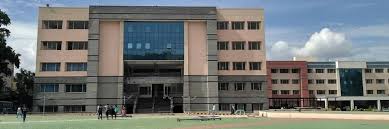
Explore Courses and Career Opportunities at the Faculty of Applied Sciences and Biotechnology
The Faculty of Applied Sciences and Biotechnology at Shoolini University focuses on biotechnology, microbiology, food technology, nutrition and related life-science areas. The faculty works through two specialised schools: the School of Biotechnology and the School of Bioengineering and Food Technology. Its academic approach combines classroom learning with laboratory work, research projects and industry-oriented training.
The Faculty offers undergraduate, postgraduate and doctoral programmes. The official 2025–26 course approval document includes programmes such as B.Sc (Hons) Biotechnology, B.Sc (Hons) Microbiology, B.Tech Biotechnology, B.Tech Food Technology, B.Sc (Hons) Food Technology, Nutrition and Dietetics, M.Tech Biotechnology, M.Sc Biotechnology, M.Sc Microbiology, M.Sc Food Technology, M.Sc Nutrition and Dietetics and several PhD programmes.
Research is an important part of the faculty. Its current research areas include drug discovery, antimicrobial resistance, plant biotechnology, biofertilisers, bioremediation, Himalayan biodiversity, genomics, proteomics, microbial fuel cells, food processing, probiotics and biosensor technology. The faculty also highlights its food-testing laboratory, research centres and patent-focused student activities.
Quick Facts About Shoolini University Faculty of Applied Sciences and Biotechnology
| Particular | Details |
| University | Shoolini University |
| Faculty | Faculty of Applied Sciences and Biotechnology |
| Main Schools | School of Biotechnology; School of Bioengineering and Food Technology |
| Location | Solan, Himachal Pradesh |
| Dean | Prof. Dinesh Kumar Chatanta |
| Academic Levels | UG, PG and PhD |
| Major Areas | Biotechnology, Microbiology, Food Technology, Nutrition and related sciences |
| Research Focus | Biotechnology, food technology, molecular biology, biodiversity, drug discovery and related areas |
| Admission | Programme-specific admission criteria |
| University Status | UGC-approved university |
| Accreditation | Shoolini University states that it is NAAC accredited |
Exact Courses Available Under the Faculty of Applied Sciences and Biotechnology
The Faculty of Applied Sciences and Biotechnology at Shoolini University offers courses in biotechnology, microbiology, food technology, nutrition and related science fields. Students can choose undergraduate, postgraduate and PhD programmes based on their qualifications and career goals.
| Course | Available Specialisations / Subjects | Level |
| B.Sc | Biotechnology, Microbiology, Industrial Microbiology, Food Technology, Nutrition & Dietetics | UG |
| B.Tech | Biotechnology, Food Technology | UG |
| M.Sc | Biotechnology, Microbiology, Food Technology, Nutrition & Dietetics, Biochemistry | PG |
| M.Tech | Biotechnology, Food Technology | PG |
| PhD | Biotechnology, Microbiology, Food Technology, Bioinformatics, Genetics, Cancer Biology | Doctoral |
PhD Programmes for Students Interested in Research and Academic Careers
The faculty's doctoral programmes cover several research areas. The official 2025–26 approval record lists PhD Biotechnology, PhD Microbiology, PhD Food Technology, PhD Bioinformatics, PhD Genetics and PhD Cancer Biology, among other science-related doctoral programmes.
PhD Biotechnology and PhD Microbiology are also reflected in Shoolini's academic records. The university states that doctoral research follows the applicable UGC PhD regulations.
Fee Structure for Courses Under the Faculty of Applied Sciences and Biotechnology at Shoolini University
The fees at the Faculty of Applied Sciences and Biotechnology vary according to the selected programme. Based on the fee information available on Shoolini University’s official programme pages and academic records, students can expect different fee levels for B.Sc, B.Tech, M.Sc and M.Tech courses.
| Course | Approx. Fee Range |
| B.Sc Biotechnology / Microbiology / Food Technology | ₹1.5–3.0 Lakh |
| B.Tech Biotechnology / Food Technology | ₹3.5–6.0 Lakh |
| M.Sc Biotechnology / Microbiology | ₹1.5–2.5 Lakh |
| M.Tech Biotechnology / Food Technology | ₹1.5–2.5 Lakh |
| PhD Programmes | Varies by programme |
Eligibility Requirements Depend on the Programme You Select
Eligibility is not the same for every course. Students applying for undergraduate programmes generally need a recognised Class 12 qualification with the required science subjects and marks.
For example:
- B.Sc (Hons) Biotechnology: 10+2 with at least one science subject and 55% marks.
- B.Tech Food Technology: 10+2 with the prescribed subject combination and 60% marks.
- M.Tech Biotechnology: B.Tech/M.Sc in a related subject with 50% marks.
- M.Sc Biotechnology Research: relevant B.Sc/B.Tech or science/technology bachelor's degree with 60% marks.
- M.Sc Microbiology: relevant B.Sc/B.Tech qualification with the required subjects and 60% marks.
How Admission to Applied Sciences and Biotechnology Programmes Works
Shoolini uses programme-specific admission criteria. Depending on the course, accepted routes can include CUET, NEET, JEE, SAT or Shoolini University's own multiple-choice entrance test, followed by faculty interaction where applicable.
A simple admission process is:
- Select the required biotechnology, microbiology, food technology or nutrition programme.
- Check the programme-specific eligibility criteria.
- Submit the online application.
- Provide the required academic documents.
- Appear for the applicable entrance route, where required.
- Complete the faculty interaction or selection process, if applicable.
- Receive the admission offer.
- Complete fee payment and university registration.
Research Areas Cover Healthcare, Food, Environment and Himalayan Biodiversity
Research is one of the strongest parts of the faculty. Current areas listed by Shoolini include:
| Research Area | Main Focus |
| Drug Discovery | Cancer, diabetes and obesity |
| Antimicrobials | Antimicrobial resistance and nanoparticle-based drugs |
| Plant Biotechnology | Host-pathogen interaction and crop research |
| Biofertilisers | Sustainable agriculture |
| Bioremediation | Environmental applications |
| Himalayan Biodiversity | Conservation and biological resources |
| Genomics & Proteomics | Study of genes, proteins and extremophiles |
| Microbial Fuel Cells | Bioenergy |
| Microalgae | Applied biological research |
| Water Purification | Environmental biotechnology |
| Food Technology | Food processing and product development |
| Probiotics | Food and health applications |
| Biosensors | Disease diagnosis |
| Nutraceuticals | Food-based health products |
Scholarships Available for Students of Applied Sciences and Biotechnology at Shoolini University
Shoolini University offers several scholarships for the 2026–27 academic year. For students in science-related programmes, the university lists merit, need-cum-merit and other category-based scholarships. The scholarship is adjusted against tuition fees, and continuation depends on the stated conditions.
| Scholarship | Benefit |
| Science Merit Scholarship | 20%–50% tuition fee waiver |
| Bio Engineering Merit Scholarship | 30%–50% tuition fee waiver |
| Need-cum-Merit Scholarship | Up to 50%–100% |
| Sports Scholarship | 25%–50% tuition fee waiver |
| Defence Scholarship | 15% tuition fee waiver |
| Kashmiri Migrant Scholarship | 10% tuition fee waiver |
| Single Parent Scholarship | 20% tuition fee waiver |
| PhD Merit Scholarship | 25%–100% tuition fee waiver |
Career Options After Completing Applied Sciences and Biotechnology Courses
Career opportunities depend on the course and the student's specialisation. Graduates can look at research laboratories, biotechnology companies, pharmaceutical organisations, food companies, healthcare-related organisations, quality-control roles and government research institutions.
For B.Sc Biotechnology, the university lists opportunities such as research associate, scientific roles, product analysis, marketing, intellectual property and patenting, government jobs and biopharma-related work.
Possible career paths include:
| Course Area | Possible Career Direction |
| Biotechnology | Research, biopharma, QA/QC, R&D |
| Microbiology | Microbiology labs, diagnostics, food and pharma industries |
| Food Technology | Food processing, quality control, product development |
| Nutrition & Dietetics | Nutrition and health-related roles |
| M.Tech Biotechnology | Advanced technical and research roles |
| M.Sc Biotechnology | Research, laboratory and higher studies |
| PhD Programmes | Research, academia and specialised R&D |
Why Students May Consider the Faculty of Applied Sciences and Biotechnology
The faculty can be considered by students who want a science degree with strong laboratory and research exposure.
Key reasons include:
- Wide range of biotechnology and life-science programmes.
- Separate schools for Biotechnology and Bioengineering & Food Technology.
- Undergraduate, postgraduate and doctoral study options.
- Practical laboratory training.
- Research and project work.
- One-student-one-patent approach.
- International academic collaborations.
- Research areas connected with healthcare, agriculture, food and environment.
- Food-testing and specialised research facilities.
- Opportunities for higher studies and research careers.
Frequently Asked Questions About the Faculty of Applied Sciences and Biotechnology at Shoolini University
1. What courses are offered by the Faculty of Applied Sciences and Biotechnology?
The faculty offers undergraduate, postgraduate and doctoral courses in biotechnology, microbiology, food technology, nutrition and related science fields. Students can choose B.Sc, B.Tech, M.Sc and M.Tech programmes. The faculty also offers PhD programmes in areas such as biotechnology, microbiology, food technology and bioinformatics.
2. What are the main subjects covered by the faculty?
The faculty mainly focuses on biotechnology, microbiology, food technology, nutrition, molecular biology and related sciences. Students study through classroom teaching, laboratory work and research projects. The faculty also covers areas such as drug discovery, food processing, genomics, biofertilisers, biosensors and environmental biotechnology during their academic journey.
3. Does the faculty provide practical and research-based learning opportunities?
Yes, practical learning is an important part of the programmes. Students get exposure to plant tissue culture, fermentation, molecular biology, recombinant DNA technology, enzyme production and biochemical analysis. Postgraduate students also undertake research projects, helping them develop practical skills and understand real scientific applications beyond classroom learning.
4. What research areas are available at the Faculty of Applied Sciences and Biotechnology?
Research at the faculty covers drug discovery, antimicrobial resistance, plant biotechnology, Himalayan biodiversity, genomics, proteomics, biofertilisers, bioremediation, microbial fuel cells, food processing, probiotics and biosensors. These research areas allow students and researchers to work on important challenges related to healthcare, agriculture, food and the environment.
5. What career options are available after completing these courses?
After completing these courses, students can explore opportunities in biotechnology companies, research laboratories, pharmaceutical organisations, food industries, quality control and healthcare-related fields. Students interested in academics or advanced research can continue with postgraduate study, PhD programmes, research fellowships or specialised scientific training for future career growth.