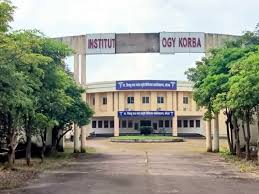
Government Medical College Korba: Emerging Excellence in Medical Education and Community Healthcare
Government Medical College Korba is one of Chhattisgarh's emerging government medical institutions, established in 2022 and located in Korba, Chhattisgarh. The college is affiliated with Pt. Deendayal Upadhyay Memorial Health Sciences and Ayush University is recognized by the National Medical Commission. Established with the objective of strengthening medical education and healthcare services in the region, the institution has quickly gained attention among medical aspirants seeking quality education in a government setup. Its modern infrastructure, developing healthcare facilities, and growing academic ecosystem make it an important addition to Chhattisgarh's medical education landscape.
Admission to Government Medical College Korba, is conducted through NEET UG for MBBS programs. The college primarily offers undergraduate medical education and follows a competency-based curriculum prescribed by the National Medical Commission. Students benefit from modern laboratories, digital learning facilities, anatomy and simulation labs, and hospital-based clinical exposure. The institution focuses on producing skilled healthcare professionals capable of addressing both urban and rural healthcare challenges. Through its associated teaching hospital, students gain practical exposure to patient care, diagnostics, preventive medicine, and clinical decision-making.
As a government medical institution, GMC Korba offers medical education at an affordable fee structure, making it accessible to students from diverse socio-economic backgrounds. Although traditional placement systems are generally not applicable in medical colleges, graduates have opportunities to pursue postgraduate medical education, government healthcare services, research programs, and clinical practice. The college's emphasis on practical training, community healthcare outreach, and professional skill development creates a strong foundation for long-term career growth in the medical field.
Government Medical College Korba at a Glance: Essential Facts and Academic Insights
Government Medical College Korba provides aspiring doctors with a modern learning environment supported by government-funded education, practical medical training, and healthcare-focused academic programs. The institution is steadily developing into an important center for medical learning and patient care in Chhattisgarh.
Key Highlights
| Particulars | Details |
| College Name | Government Medical College Korba |
| Established Year | 2022 |
| Location | Korba, Chhattisgarh |
| Institution Type | Government Medical College |
| Recognition | National Medical Commission (NMC) |
| Affiliation | Pt. DDU Memorial Health Sciences & Ayush University |
| Admission Through | NEET UG |
| Primary Course Offered | MBBS |
| Campus Type | Urban |
| Hostel Facility | Available |
| Library Facility | Available |
| Clinical Training | Available |
| Internship Program | Mandatory |
Academic Structure and Medical Programs Offered at GMC Korba
Government Medical College Korba currently focuses on undergraduate medical education through its MBBS program. The curriculum is designed to combine foundational sciences, clinical training, professional ethics, and community healthcare learning.
Courses Offered
| Course | Duration | Eligibility | Admission Criteria |
| MBBS | 5.5 Years | 10+2 with Physics, Chemistry & Biology | NEET UG |
Program Features
- Competency-Based Medical Education (CBME).
- Integrated learning approach.
- Early clinical exposure.
- Skill laboratory training.
- Community medicine initiatives.
- Research-oriented academic activities.
- Mandatory internship training.
Cost of Medical Education: Understanding the Fee Structure
Government Medical College Korba offers medical education at government-regulated fees, making it a cost-effective choice for students seeking an MBBS degree from a recognized public medical institution.
| Fee Component | Approximate Amount |
| Annual MBBS Tuition Fee | ₹40,000 – ₹60,000 |
| Total MBBS Course Fee | ₹2 – ₹3 Lakhs |
| Hostel Charges | Additional |
| Examination Fees | Applicable |
| Library Charges | Applicable |
| Security Deposit | Refundable |
| Miscellaneous Charges | As Per Institutional Norms |
Your Path to MBBS Admission at Government Medical College Korba
Admission to Government Medical College Korba follows a centralized and merit-based process. Candidates must qualify for NEET UG and participate in counselling to secure admission to the MBBS program.
Admission Process
Step 1: Appear for NEET UG
Candidates must qualify for the National Eligibility cum Entrance Test (NEET UG) with the required percentile to become eligible for admission.
Step 2: Register for Counselling
Qualified candidates need to complete online counselling registration through the designated admission authority.
Step 3: Fill College Preferences
Applicants must select the Government Medical College, Korba, among their preferred medical colleges during the choice-filling process.
Step 4: Seat Allotment
Seats are allotted based on NEET rank, category, reservation policies, and seat availability.
Step 5: Document Verification
Candidates are required to verify their original documents and eligibility credentials.
Step 6: Fee Payment
Selected candidates must pay the prescribed admission fee within the stipulated timeline.
Step 7: Reporting and Enrollment
Students must report to the college and complete admission formalities to confirm their seat.
Recognition, Academic Standards, and Institutional Development
Government Medical College Korba follows national standards for medical education and continuously develops its academic and healthcare infrastructure to provide quality learning opportunities for students.
Recognition and Academic Credentials
- Recognized by the National Medical Commission (NMC).
- Affiliated with Pt. DDU Memorial Health Sciences & Ayush University.
- Government-funded institution.
- Follows the NMC-prescribed curriculum.
- Competency-based medical education framework.
- Structured internship program.
- Clinical learning through teaching hospital facilities.
- Focus on healthcare service and community medicine.
Student-Centric Infrastructure and Campus Facilities
The college campus is designed to support academic learning, residential comfort, and professional development. Students benefit from modern facilities that contribute to a productive and engaging educational environment.
Hostel and Residential Facilities
- Separate hostel accommodations for male students.
- Separate hostel accommodations for female students.
- Secure residential environment with supervision.
- Essential amenities for comfortable living.
Academic Resources
- Central medical library with reference materials.
- Digital learning resources and e-content.
- Reading halls for self-study.
- Access to academic journals and publications.
Infrastructure Facilities
- Modern anatomy and physiology laboratories.
- Demonstration rooms and lecture halls.
- Seminar halls for academic events.
- Auditorium for institutional programs.
- Wi-Fi-enabled academic zones.
Student Welfare Services
- Campus cafeteria and dining facilities.
- Healthcare and first-aid support.
- Security and surveillance systems.
- Student counseling and guidance support.
Clinical Learning Experience and Hospital-Based Training
Clinical exposure is a vital component of medical education at Government Medical College Korba. Students gain practical experience through patient interactions, hospital postings, and community healthcare initiatives.
Clinical Training Highlights
- Early patient interaction opportunities.
- Hospital-based learning experiences.
- Departmental clinical rotations.
- Diagnostic and laboratory exposure.
- Community health outreach activities.
- Preventive healthcare programs.
- Internship training in multiple departments.
- Case discussions and clinical presentations.
- Emergency healthcare exposure.
- Practical skill enhancement sessions.
Career Prospects and Professional Opportunities After MBBS
Government Medical College Korba prepares students for careers across clinical practice, higher education, healthcare administration, and public health. The institution provides the academic foundation required for diverse professional pathways.
Career Opportunities
- Government Healthcare Services: Graduates can serve as Medical Officers in government hospitals and public healthcare facilities.
- Private Hospitals and Clinics: Opportunities exist in multispecialty hospitals, healthcare centers, and private medical establishments.
- Postgraduate Medical Education: Students can pursue MD, MS, DNB, and super-specialty programs after qualifying NEET PG.
- Research and Clinical Studies: Graduates may participate in healthcare research and clinical studies through research organizations.
- Public Health Programs: Career opportunities are available in community healthcare initiatives and health administration.
- International Medical Careers: Graduates can prepare for licensing examinations such as USMLE, PLAB, and AMC to practice abroad.
Career Highlights
Government Sector: Graduates can work as Medical Officers in government hospitals, community health centers, primary health centers, and various state and central healthcare departments.
Private Healthcare: Students can begin their careers as Resident Doctors in multispecialty hospitals, specialty clinics, nursing homes, and corporate healthcare organizations.
Higher Education: MBBS graduates can pursue advanced medical qualifications such as MD, MS, DNB, and Super-Specialty Programs to enhance their expertise and career prospects.
Research Sector: Those interested in medical research can work as Research Associates in healthcare research institutes, pharmaceutical companies, and clinical research organizations.
Public Health: Graduates can contribute as Health Program Officers in government health missions, non-governmental organizations, and public healthcare initiatives focused on community welfare.
International Career Pathway: After clearing licensing examinations such as USMLE, PLAB, AMC, or equivalent assessments, graduates can become Licensed Medical Practitioners in various countries.
Entrepreneurship and Private Practice: With the required experience and registration, graduates can establish their own private clinics, healthcare centers, or medical consultancy services and build independent medical careers.
Placement and Career Advancement Opportunities at Government Medical College Korba
Government Medical College Korba focuses on developing competent medical professionals through rigorous academic training and extensive clinical exposure. Unlike engineering and management institutions, medical colleges generally do not conduct traditional campus placements. Instead, students secure career opportunities through internships, postgraduate education, government recruitment, and healthcare sector employment.
Placement Highlights
- Government Medical College Korba emphasizes career-oriented medical education and practical healthcare training.
- Students complete a compulsory rotational internship that provides real-world clinical experience.
- Graduates are eligible for recruitment in government hospitals, community health centers, and public healthcare departments.
- Opportunities are available in private hospitals, multispecialty healthcare institutions, and diagnostic centers.
- Many students choose to pursue higher studies such as MD, MS, DNB, and super-specialty programs after MBBS.
- The college supports skill development through clinical postings, patient interactions, and hospital-based learning.
- Research-oriented students can explore opportunities in medical research organizations and healthcare projects.
- Graduates can prepare for international licensing examinations to pursue medical careers abroad.
Career Outcomes After MBBS
- Medical Officer in Government Hospitals
- Resident Doctor in Private Hospitals
- Junior Resident in Teaching Hospitals
- Public Health Officer
- Clinical Research Associate
- Healthcare Administrator
- Community Health Practitioner
- Medical Educator (after higher studies)
- Armed Forces Medical Officer
- Private Medical Practitioner
Placement and Career Snapshot
| Particulars | Details |
| Placement Model | Career-Oriented Medical Training |
| Internship Requirement | Mandatory Rotational Internship |
| Clinical Exposure | Extensive Hospital-Based Training |
| Government Job Opportunities | Available |
| Private Healthcare Opportunities | Available |
| Postgraduate Study Pathways | MD, MS, DNB, DM, MCh |
| Research Opportunities | Available |
| International Career Scope | Through Licensing Exams |
| Entrepreneurship Opportunities | Private Practice & Clinics |
| Healthcare Industry Demand | High |
Major Employment Sectors
- Government Hospitals
- District and Community Health Centers
- Private Multispecialty Hospitals
- Medical Colleges and Teaching Institutions
- Public Health Organizations
- Clinical Research Organizations
- Pharmaceutical and Healthcare Companies
- Armed Forces Medical Services
- International Healthcare Systems
- Private Clinics and Healthcare Startups
Frequently Asked Questions About Government Medical College Korba
Q1. Is Government Medical College Korba recognized by NMC?
Yes, Government Medical College Korba is recognized by the National Medical Commission. This recognition ensures that the MBBS degree awarded by the institution is valid for medical practice and postgraduate education.
Q2. Which entrance examination is required for admission?
Admission to the MBBS program is based on NEET UG scores. Candidates must qualify for the examination and participate in the counselling process to secure admission.
Q3. Does Government Medical College Korba provide hostel facilities?
Yes, the college offers separate hostel accommodations for male and female students along with basic residential amenities, security arrangements, and student support services.
Q4. How is the clinical exposure at GMC Korba?
Students receive practical clinical exposure through teaching hospitals, patient interactions, departmental rotations, community health programs, and mandatory internship training that enhance professional competence.
Q5. What career opportunities are available after completing MBBS?
Graduates can pursue postgraduate medical education, government healthcare jobs, private clinical practice, public health careers, medical research opportunities, or international medical licensing pathways.
Q6. Is Government Medical College Korba a good choice for MBBS?
Government Medical College Korba is a promising option for MBBS aspirants seeking affordable medical education, modern infrastructure, government recognition, and growing opportunities for clinical learning and professional development.