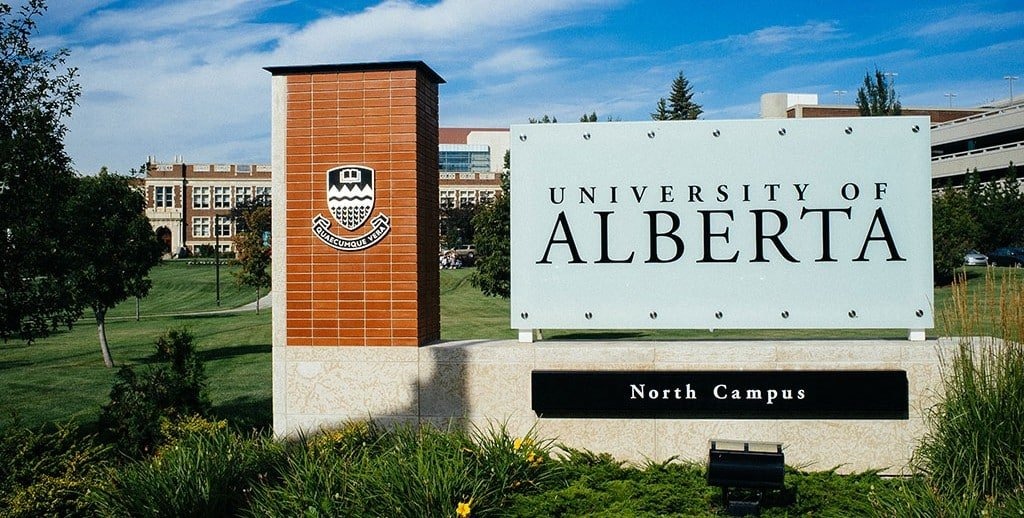
University of Alberta, Canada: Institutional Profile, Academic Excellence & Global Opportunities 2026
The University of Alberta, officially known as University of Alberta, was established in 1908 and is located in Edmonton, Alberta, Canada. It is one of the most prestigious public research universities in Canada and a proud member of the U15 Group of Canadian Research Universities, which represents the top research-focused universities in the country. The university has a strong academic legacy spanning more than a century and is globally recognised for excellence in teaching, innovation, and research across diverse fields, including engineering, medicine, business, and natural sciences.
Admission to the University of Alberta is based on academic merit, program requirements, and English language proficiency. While most programs do not require a strict entrance exam, some competitive or professional courses may involve additional assessments, interviews, or portfolio evaluations. The university offers a wide range of programs, including Engineering, Computer Science, Business Administration (MBA), Medicine, Law, Agriculture, Environmental Science, and Arts. The total annual tuition fees for international students generally range between CAD 20,000 to CAD 40,000 for undergraduate programs and CAD 12,000 to CAD 60,000 for postgraduate and professional programs, depending on specialization. In terms of career outcomes, graduates enjoy strong employment prospects in Canada and internationally. The average salary package for graduates ranges between CAD 50,000 to CAD 80,000 per year, while top-performing students in engineering, IT, and business fields can earn significantly higher salaries. Leading recruiters include global companies such as Google, Amazon, Deloitte, IBM, Shell, and major Canadian organizations across engineering, healthcare, and financial sectors.
Beyond academics and placements, the University of Alberta emphasizes experiential learning through internships, co-op programs, and research opportunities. Its strong industry partnerships, world-class faculty, and innovation-driven ecosystem make it a preferred destination for international students seeking high-quality education and strong career growth. With a balance of affordability, academic excellence, and global recognition, the university continues to rank among the top choices for higher education in Canada.
University of Alberta Overview (Key Facts & Highlights)
The University of Alberta is one of Canada’s most prestigious public research universities, known for academic excellence, innovation, and strong global recognition. The university is globally respected for its high-quality teaching, advanced research output, and strong industry connections. It attracts students from over 150 countries, offering a diverse and inclusive learning environment. With strong academic infrastructure and global collaborations, it remains one of the top choices for international students pursuing higher education in Canada.
| Parameter | Details |
| University Name | University of Alberta |
| Location | Edmonton, Alberta, Canada |
| Established | 1908 |
| Type | Public Research University |
| Students | 40,000+ |
| International Students | 8,000+ |
| Language | English |
| Campus Type | Urban |
University of Alberta Academic Programs 2026: Degree Options, Courses & Study Fields
The University of Alberta offers a wide range of undergraduate, postgraduate, and doctoral programs across multiple disciplines. Popular fields include engineering, computer science, business, medicine, law, agriculture, arts, and environmental sciences. The university is well known for its research-based curriculum and practical learning approach, including internships, co-op programs, and industry collaborations. Students benefit from globally recognised degrees and strong career outcomes. The university continuously updates its curriculum to match global industry trends, ensuring students gain both theoretical knowledge and real-world skills required for international careers.
| Level | Programs Offered |
| Undergraduate (UG) | Engineering, Computer Science, Business, Arts, Science, Agriculture |
| Postgraduate (PG) | MBA, Data Science, Public Health, Environmental Science, Economics |
| Doctoral (PhD) | Engineering, Medicine Research, Biology, Chemistry, Sociology |
| Professional Courses | Law, Medicine, Architecture, Education, Pharmacy |
Admission Process at University of Alberta
Admission to the University of Alberta is based on academic merit, program requirements, and English language proficiency. International students must apply online and submit academic transcripts, passport copies, and IELTS or TOEFL scores. Some competitive programs may require additional documents such as SOPs, portfolios, or interviews. After evaluation, selected students receive an offer letter required for the Canadian study permit process. The university also offers foundation and pathway programs for students who do not meet direct entry requirements, ensuring broader access to education.
University of Alberta Admission Process 2026: Application Steps, Requirements & Study Permit Guide
Admission to the University of Alberta is a structured and competitive process based on academic merit, program-specific eligibility, and English language proficiency requirements. International students must apply online through the official application portal and submit essential documents such as academic transcripts, a passport copy, and IELTS or TOEFL scores. Depending on the program, some applicants may also need to provide additional documents like SOPs, letters of recommendation, portfolios, or attend interviews. After evaluation, selected students receive an official offer letter, which is required for the Canadian study permit application. The university also offers foundation and pathway programs for students who do not meet direct entry requirements, ensuring wider access to higher education opportunities.
University of Alberta Admission Process Table 2026
| Step | Process | Detailed Explanation |
| Step 1 | Online Application | Students apply through the official University of Alberta portal by selecting their program and filling in personal and academic details accurately. |
| Step 2 | Document Submission | Applicants upload required documents including academic transcripts, passport copy, IELTS/TOEFL scores, and program-specific documents if required. |
| Step 3 | Application Review | The university evaluates applications based on academic performance, eligibility criteria, and program competitiveness. |
| Step 4 | Offer Letter Issuance | Selected students receive an official admission offer letter confirming their acceptance into the chosen program. |
| Step 5 | Tuition Deposit | Students must pay a tuition deposit to secure their seat and proceed with further formalities. |
| Step 6 | Study Permit Application | Students apply for a Canadian study permit using the offer letter and required immigration documents. |
University of Alberta Fee Structure 2026: Tuition Costs, Program Fees & Study Budget Guide
The University of Alberta offers a competitive fee structure compared to other top Canadian universities. Tuition varies depending on the program, level of study, and specialization. Engineering, business, and health sciences programs generally have higher fees due to laboratory and technical requirements. On average, international undergraduate students pay between CAD 20,000 to CAD 35,000 per year, while postgraduate programs range from CAD 12,000 to CAD 25,000 per year. The university also provides scholarships and financial aid options to support international students and reduce overall study costs.
Fee Table
| Program Type | Annual Fees (CAD) | Details |
| Undergraduate Programs | 20,000 – 40,000 | Includes Arts, Science, Business, Engineering foundation programs with variable credit-based tuition |
| Postgraduate Programs | 12,000 – 35,000 | Research-based and coursework master’s programs with specialization-based pricing |
| MBA Programs | 30,000 – 60,000 | Includes leadership training, internships, and global business exposure |
| Engineering Programs | 25,000 – 50,000 | Higher fees due to labs, co-op programs, and technical coursework |
| Health Sciences / Medicine | 30,000 – 60,000 | Includes clinical training, hospital exposure, and advanced research modules |
University of Alberta Ranking 2026: Global Position, Canada Rank & Academic Reputation
The University of Alberta consistently ranks among the top universities in Canada and is globally recognised for its academic excellence, research output, and strong industry connections. It is a member of the prestigious U15 Group of Canadian Research Universities, highlighting its status as a leading research-intensive institution. The university performs exceptionally well in fields such as engineering, medicine, artificial intelligence, energy, and environmental sciences. Its strong global rankings reflect high employer reputation, academic credibility, and research impact. Over the years, it has maintained stable positions in major global ranking systems, making it one of the most preferred destinations for international students seeking quality education in Canada.
University of Alberta Ranking Table 2026
| Ranking Body | Position | Key Highlight |
| QS World University Rankings | #94 | Ranked among Top 100 universities globally |
| Times Higher Education (THE) | ~#109–116 | Strong global research performance |
| Canada National Ranking | Top 4–5 | Among the top universities in Canada |
| ARWU (Shanghai Ranking) | ~#91–101 | High research output |
| Graduate Employability | Strong | Excellent job outcomes worldwide |
Cost of Living in Edmonton 2026: Student Budget Guide for International Students
Edmonton, the home city of the University of Alberta, offers a moderate and student-friendly cost of living compared to other major Canadian cities like Toronto and Vancouver. International students can comfortably manage monthly expenses that include accommodation, food, transportation, utilities, and personal needs within a reasonable budget. On-campus housing is convenient and includes essential facilities, while off-campus rentals provide more independence and flexibility. The city also offers discounted public transport for students, helping reduce travel costs. Overall, Edmonton provides a safe, affordable, and comfortable environment that allows students to focus on academics, part-time opportunities, and personal development without excessive financial pressure.
Cost of Living Table (Edmonton 2026)
| Expense Type | Monthly Cost (CAD) |
| Accommodation | 600 – 1,200 |
| Food | 300 – 700 |
| Transport | 80 – 120 |
| Utilities | 100 – 200 |
| Miscellaneous | 150 – 300 |
| Total Monthly Cost | 1,300 – 2,500 |
University of Alberta Scholarships 2026: Financial Aid, Awards & Funding Options
The University of Alberta offers a wide range of scholarships and financial aid programs designed to support international and domestic students based on academic excellence, leadership qualities, and financial need. These scholarships are available at undergraduate, postgraduate, and research levels. Some awards are automatically considered during the admission process, while others require separate applications depending on eligibility criteria. In addition to scholarships, the university also provides graduate assistantships, research funding, and bursaries, helping students reduce tuition costs and support living expenses. These financial aid opportunities make studying at the University of Alberta more accessible, affordable, and competitive for global students.
Scholarship Table 2026
| Scholarship Type | Benefit |
| Entrance Scholarships | CAD 1,000 – 10,000 |
| Merit Scholarships | Tuition fee reduction |
| Graduate Assistantships | Monthly stipend |
| Research Grants | Project funding |
| International Awards | Partial or full support |
University of Alberta Student Life 2026: Campus Experience, Culture & Facilities
Student life at the University of Alberta is dynamic, multicultural, and academically enriching. The university welcomes students from over 150 countries, creating a diverse global campus environment. Students have access to modern hostels, advanced libraries, sports complexes, laboratories, and student clubs. Edmonton offers a safe, welcoming, and student-friendly city environment with numerous cultural, recreational, and career opportunities. The university also organizes regular workshops, events, seminars, and networking sessions that help students develop both academic and professional skills. Overall, student life here provides a balanced combination of education, cultural exposure, and personal development opportunities.
Student Life Table 2026
| Feature | Availability |
| Hostel | Yes |
| Indian Food | Available |
| Sports Facilities | Yes |
| Cultural Events | Regular |
| Safety | High |
FAQs – University of Alberta 2026
Q1. Is the University of Alberta good for international students?
Yes, the University of Alberta is one of Canada’s top-ranked universities, offering excellent academic programs, strong research opportunities, and globally recognized degrees. It also provides a diverse campus environment and strong career support, making it highly suitable for international students.
Q2. What is the average tuition fee at the University of Alberta?
The average tuition fee for international students ranges from CAD 20,000 to CAD 35,000 per year for undergraduate programs. Some specialised courses, like MBA or health sciences, may cost more depending on the program structure.
Q3. Is IELTS required for admission?
Yes, IELTS or equivalent English proficiency tests, such as TOEFL, are required for most programs. However, pathway programs are available for students who do not meet direct English language requirements.
Q4. What is the monthly cost of living in Edmonton?
Students generally spend around CAD 1,300 to CAD 2,500 per month, which includes accommodation, food, transport, and other personal expenses.
Q5. Does the University of Alberta offer scholarships?
Yes, the university offers multiple scholarships, including entrance awards, merit-based scholarships, assistantships, and research funding options for both domestic and international students.